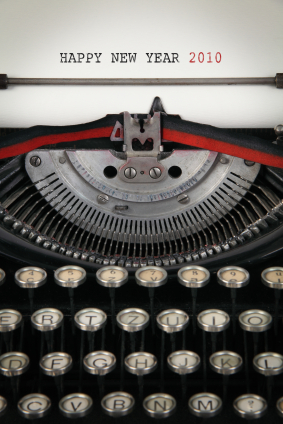
 Happy New Year and Merry Christmas!
среда, 30 декабря 2009 г.

четверг, 10 декабря 2009 г.
Anything3D News!
Hello and good day to you!
Christmas is coming and the companies set discounts for their products. Anything 3D Corp. sets the unbelievable discounts for their software!
Please, feel free to visit the home website www.Anything3D.com and see the great discounts of the A3D Christmas Sale!
Christmas is coming and the companies set discounts for their products. Anything 3D Corp. sets the unbelievable discounts for their software!
Please, feel free to visit the home website www.Anything3D.com and see the great discounts of the A3D Christmas Sale!
вторник, 24 ноября 2009 г.
Check out the 13 Minute AVATAR Segment from 60 Minutes and 2 International Posters
Wow! I'm really waiting for this film! And now the auestion is "3D or not 3D"! :-D
Last night CBS’ 60 Minutes ran a 13 minute profile on director James Cameron, which gave us an in depth look into the world of his upcoming 3D fantasy, Avatar. The segment features loads of behind the scenes footage, including Sam Worthington and Zoe Saldana in action sporting mo-cap suits, Stephen Lang fighting inside one of those massive mech suits, and a look at the process of creating the groundbreaking special FX for the film — which are still be tweaked as the Dec. 18th release date rapidly approaches.
The piece also gives a good look into Cameron himself; his early career, his strive for perfection, his on-set behavior, and a wonderful tour of his office — with pieces and props from his films like the Terminator– the design of whichhe says “came to him in a dream” — and the wheel of the Titanic, which he keeps around as a reminder that he knows “what it feels like to be at the helm of a sinking ship.” The funniest trivia piece for me though, was the revelation that Arnold Schwarzenegger wasn’t the first choice for Terminator. The studio originally wanted to cast O.J. Simpson, a choice Cameron though was the “stupidest idea” he’d ever heard. Expanding saying, “I didn’t know O.J., I had nothing against him personally. I didn’t know he’d go murder his wife later and become the real Terminator.”

Below the 60 minutes segment is two international Avatar posters from FilmStage. Also, THR reports that Avatar will be kind to those small bladdered movie goers out there, as the run-time is only 150 minutes(two and a half hours). The news corrects early speculation that the film would run well over 3 hours. Having experienced the immersive 3D experience of Avatar, I wouldn’t mind sitting through 5 hours… but it’s nice to know Cameron is keeping it tight and well focused.
Last night CBS’ 60 Minutes ran a 13 minute profile on director James Cameron, which gave us an in depth look into the world of his upcoming 3D fantasy, Avatar. The segment features loads of behind the scenes footage, including Sam Worthington and Zoe Saldana in action sporting mo-cap suits, Stephen Lang fighting inside one of those massive mech suits, and a look at the process of creating the groundbreaking special FX for the film — which are still be tweaked as the Dec. 18th release date rapidly approaches.
The piece also gives a good look into Cameron himself; his early career, his strive for perfection, his on-set behavior, and a wonderful tour of his office — with pieces and props from his films like the Terminator– the design of whichhe says “came to him in a dream” — and the wheel of the Titanic, which he keeps around as a reminder that he knows “what it feels like to be at the helm of a sinking ship.” The funniest trivia piece for me though, was the revelation that Arnold Schwarzenegger wasn’t the first choice for Terminator. The studio originally wanted to cast O.J. Simpson, a choice Cameron though was the “stupidest idea” he’d ever heard. Expanding saying, “I didn’t know O.J., I had nothing against him personally. I didn’t know he’d go murder his wife later and become the real Terminator.”

Below the 60 minutes segment is two international Avatar posters from FilmStage. Also, THR reports that Avatar will be kind to those small bladdered movie goers out there, as the run-time is only 150 minutes(two and a half hours). The news corrects early speculation that the film would run well over 3 hours. Having experienced the immersive 3D experience of Avatar, I wouldn’t mind sitting through 5 hours… but it’s nice to know Cameron is keeping it tight and well focused.
понедельник, 16 ноября 2009 г.
Kenny Ortega honours Jacko's genius in 'This Is It'
This is it. This is the one."
With those words, Michael Jackson described his ill-omened, 50-date "This Is It" tour to Kenny Ortega, his concert collaborator and long-time friend of 20 years.
"He said it five times during one phone call when we first started talking about the concert," recalls Ortega, 59.
The world will never know what Jackson's dream concert would have been like. His abrupt death on June 25, 2009 put an end to his planned return to the stage.
Yet, in the new documentary "Michael Jackson's This Is It," director Ortega pieces together a musical mosaic from rehearsal footage to honour the iconic star, his fans and the concert that never was.
The hugely-anticipated film arrives in theatres on October 28 for a two-week run.
Pulled together from more than 80 hours of rehearsal footage, the documentary offers a rare glimpse into Jackson's final days before he died of cardiac arrest.
Jackson's death is believed to have resulted from the use of the drugs propofol and lorazepam. Law enforcement officials are currently conducting a manslaughter investigation of his personal physician, Conrad Murray.
Columbia Pictures, the film's distributor, reportedly paid US$60 million for rights to the footage.
Telling the story through interviews with Jackson's friends and colleagues, Ortega zeros in on the King of Pop's preparations for his sold-out shows at London's 02 Arena. The concerts were to begin in July of 2009 and end in March of 2010.
"I didn't have a vision for this film before he died. We were creating a concert. We were eight days away from leaving from L.A. for London," Ortega told reporters at Toronto's Hazelton Hotel on Saturday.
When the documentary offer came to Ortega shortly after Jackson's death, he declined.
"It was too soon. To close," he says.
After some reflection, however, Ortega changed his mind. "It was my responsibility," he says. "The journey wasn't over."
Jackson and Ortega had already begun shooting rehearsal footage on their own prior to the performer's death. The film was slated to be used in a post-concert DVD.
"We were shooting all the time, never really thinking we were capturing anything at all," says Ortega.
That footage, coupled with archival material from Jackson's own library, captures this dynamic duo "dreaming and conceptualizing" says Ortega.
The film also captures a Michael Jackson who is very present and very alive says Ortega.
Far from being a broken, over-the-hill pop star, Ortega shows a vital, excited performer who could still bust a dance move that would stop traffic.
"The dancers here were half Michael's age. They were in awe of what this 50-year-old man was doing," says Ortega.
"Michael had ailments. I had more," says Ortega, who directed Jackson's "Dangerous" (1992) and "History" (1996) world tours.
"Michael had some back issues and he had been burnt. I don't know how he handled his pain. I respected his privacy. But, he wasn't old and crippled," says Ortega.
"Especially at the end he was his strongest. That's why when it ended we were all so shattered," he says.
Jackson was strong on stage, even in his final days
An Emmy Award-winning producer, director and choreographer, Ortega first earned worldwide recognition working as a choreographer on Gene Kelly's 1980 dance flick, "Xanadu."
Before his collaborations with Jackson, Ortega created the choreography for such films as "St. Elmo's Fire" (1985), "Pretty in Pink" (1986) and Patrick Swayze's "Dirty Dancing" (1987).
Dubbed the Billion Dollar Maestro by Daily Variety, Ortega choreographed such major events as the 72nd Academy Awards, the 1996 Summer Olympics in Atlanta and the 2002 Winter Olympics in Salt Lake City.
Also known as the director of Madonna's "Material Girl" video and the "High School Musical" film franchise, Ortega is currently working on a remake of the movie "Footloose." The film stars "Gossip Girl" actor, Chace Crawford.
Ortega, the man who was the creative director of Jackson's memorial service, hopes the world will embrace "This Is It" for two very important reasons.
"First, Michael was the architect here. He wanted to do this concert. It nourished him. It invigorated him. I've never seen him more invested in a project," says Ortega.
After a decade of troubles that had reduced the King of Pop into a worldwide joke, Jackson's decision to return to the concert stage roused considerable speculation.
Ortega clarifies Jackson's motivations once and for all.
"This experience was for his kids," says Ortega. "That's why he wanted to do this. They were old enough now to appreciate what their father was all about on stage."
Compelled to give them and his fans something exciting, Jackson orchestrated a concept that included 3D elements and a level of choreography that would have reminded audiences of his genius.
"I remember once saying to Michael 'You're going to get your crown back my man. You're going to be vindicated.' Michael looked at me and said 'Kenny, you're so silly.'" This wasn't about validations or vindications or Michael restoring his crown. It was for his children," says Ortega.
"Michael's reasons were so pure. He wanted to perform for all the right reasons," says Ortega. "I hope the world will embrace the film and him. I'd like to see this for his children and his fans."
No comments. Just article by Constance Droganes
With those words, Michael Jackson described his ill-omened, 50-date "This Is It" tour to Kenny Ortega, his concert collaborator and long-time friend of 20 years.
"He said it five times during one phone call when we first started talking about the concert," recalls Ortega, 59.
The world will never know what Jackson's dream concert would have been like. His abrupt death on June 25, 2009 put an end to his planned return to the stage.
Yet, in the new documentary "Michael Jackson's This Is It," director Ortega pieces together a musical mosaic from rehearsal footage to honour the iconic star, his fans and the concert that never was.
The hugely-anticipated film arrives in theatres on October 28 for a two-week run.
Pulled together from more than 80 hours of rehearsal footage, the documentary offers a rare glimpse into Jackson's final days before he died of cardiac arrest.
Jackson's death is believed to have resulted from the use of the drugs propofol and lorazepam. Law enforcement officials are currently conducting a manslaughter investigation of his personal physician, Conrad Murray.
Columbia Pictures, the film's distributor, reportedly paid US$60 million for rights to the footage.
Telling the story through interviews with Jackson's friends and colleagues, Ortega zeros in on the King of Pop's preparations for his sold-out shows at London's 02 Arena. The concerts were to begin in July of 2009 and end in March of 2010.
"I didn't have a vision for this film before he died. We were creating a concert. We were eight days away from leaving from L.A. for London," Ortega told reporters at Toronto's Hazelton Hotel on Saturday.
When the documentary offer came to Ortega shortly after Jackson's death, he declined.
"It was too soon. To close," he says.
After some reflection, however, Ortega changed his mind. "It was my responsibility," he says. "The journey wasn't over."
Jackson and Ortega had already begun shooting rehearsal footage on their own prior to the performer's death. The film was slated to be used in a post-concert DVD.
"We were shooting all the time, never really thinking we were capturing anything at all," says Ortega.
That footage, coupled with archival material from Jackson's own library, captures this dynamic duo "dreaming and conceptualizing" says Ortega.
The film also captures a Michael Jackson who is very present and very alive says Ortega.
Far from being a broken, over-the-hill pop star, Ortega shows a vital, excited performer who could still bust a dance move that would stop traffic.
"The dancers here were half Michael's age. They were in awe of what this 50-year-old man was doing," says Ortega.
"Michael had ailments. I had more," says Ortega, who directed Jackson's "Dangerous" (1992) and "History" (1996) world tours.
"Michael had some back issues and he had been burnt. I don't know how he handled his pain. I respected his privacy. But, he wasn't old and crippled," says Ortega.
"Especially at the end he was his strongest. That's why when it ended we were all so shattered," he says.
Jackson was strong on stage, even in his final days
An Emmy Award-winning producer, director and choreographer, Ortega first earned worldwide recognition working as a choreographer on Gene Kelly's 1980 dance flick, "Xanadu."
Before his collaborations with Jackson, Ortega created the choreography for such films as "St. Elmo's Fire" (1985), "Pretty in Pink" (1986) and Patrick Swayze's "Dirty Dancing" (1987).
Dubbed the Billion Dollar Maestro by Daily Variety, Ortega choreographed such major events as the 72nd Academy Awards, the 1996 Summer Olympics in Atlanta and the 2002 Winter Olympics in Salt Lake City.
Also known as the director of Madonna's "Material Girl" video and the "High School Musical" film franchise, Ortega is currently working on a remake of the movie "Footloose." The film stars "Gossip Girl" actor, Chace Crawford.
Ortega, the man who was the creative director of Jackson's memorial service, hopes the world will embrace "This Is It" for two very important reasons.
"First, Michael was the architect here. He wanted to do this concert. It nourished him. It invigorated him. I've never seen him more invested in a project," says Ortega.
After a decade of troubles that had reduced the King of Pop into a worldwide joke, Jackson's decision to return to the concert stage roused considerable speculation.
Ortega clarifies Jackson's motivations once and for all.
"This experience was for his kids," says Ortega. "That's why he wanted to do this. They were old enough now to appreciate what their father was all about on stage."
Compelled to give them and his fans something exciting, Jackson orchestrated a concept that included 3D elements and a level of choreography that would have reminded audiences of his genius.
"I remember once saying to Michael 'You're going to get your crown back my man. You're going to be vindicated.' Michael looked at me and said 'Kenny, you're so silly.'" This wasn't about validations or vindications or Michael restoring his crown. It was for his children," says Ortega.
"Michael's reasons were so pure. He wanted to perform for all the right reasons," says Ortega. "I hope the world will embrace the film and him. I'd like to see this for his children and his fans."
No comments. Just article by Constance Droganes
вторник, 10 ноября 2009 г.
Disneyland introduces new Audio Description service
Hello, World! Something new from Disneyland!
The Disneyland Resort has a new service for guests with visual impairments, the Audio Description device. The PDA-sized device is worn on a lanyard around the neck, and comes with a headphones. When the user enters the queue of a designated attraction, a transmitter activates the device, and a recorded voice describes the attraction or show in real time. The device works at 19 attractions and shows in Disneyland and DCA, including most of the Fantasyland "dark rides" like Peter Pan's Flight and Snow White's Scary Adventures. I tested the device last week to see how it worked, and how well the spoken narration described the actual ride.
The device is fairly lightweight, and was not uncomfortable to wear. The provided brochure recommended holding the device chest-high, so the device could clearly receive the signal from the transmitters concealed at the attractions. I quickly spotted the transmitter inside the queue for Pinocchio's Daring Journey, and it looks to be the same type of transmitter used to run the Pal Mickey device at Walt Disney World. If so, the transmitter does not actually "supply" the audio description as stated in the brochure, but simply notifies the device to begin playing a specific, pre-recorded description once it receives that signal.
Once the device recognized I was at Snow White's Scary Adventures, the recording began by describing the outside of the building, including the fact that the Evil Queen peered out from a window above the entrance. The description was incredibly detailed, to the point of reading the text of the storybook at the entrance to the queue, and encouraging me to touch the apple to hear the Old Hag cackle. Unfortunately the recording began after I had already entered the queue and was well past the book. The line was quite short that day, and the description cut off mid-sentence when the device had received the signal from the next transmitter in the ride. The narration was extremely detailed in some places, even describing the colors of Snow White's dress and the musical instruments held by each Dwarf. The narration ended abruptly in the middle of the scary forest, and there was no further description of the end of the ride. Since some complain that the ride's story also ends very abruptly, perhaps this was intentional and not a glitch. Just to make sure, I rode again, and the narration ended in exactly the same spot.
The description of Pinocchio's Daring Journey includes a detailed description of the ride vehicles themselves - down to the carved figures on each one - and descriptions of the art seen in the queue. I noted that the male narrator was very emphatic in his descriptions, as if each sentence ended with an exclamation point. The female narrator who recorded the descriptions for other attractions was a little less intense.
I was curious how the device would describe Buzz Lightyear's Astro Blasters, since this is not only a highly visual ride but includes a video game element that someone with total vision loss would be unable to experience. The audio description described the murals in the queue and the animatronic Buzz Lightyear figure, and provided instructions to "aim for the Z," and volunteered that some targets are worth more when lit. The narration also explained that the ride uses a moving walkway to board the ride vehicle, but did not mention that the vehicle would be to the left of the walkway, something I thought might be helpful. Throughout the ride, the device described each scene, in many cases providing details I normally overlook in my quests for high score.
I wanted to see how the device worked when used on an attraction that already has live narration, but Storybook Land Canal Boats were closed for refurbishment. Instead, I visited Honey, I Shrunk the Audience to see how the device would enhance a film-based attraction. Audio Description is also offered on It's Tough to be a Bug, Muppet*Vision 3D and Turtle Talk with Crush, as well as the Enchanted Tiki Room. My device did not activate until the show started, and I had feared it wasn't going to work at all. The narrator described many of the 3D elements of the show, and the audio description was well coordinated with the film's dialogue so the narrator rarely spoke over a character.
My final ride was the Disneyland Railroad. I boarded at the Tomorrowland station, and the device was quiet until we entered the first tunnel. However, once we reached the Main Street Station, the device launched into a lengthy recording, with narration that included everything from the architecture and decor of the Main Street Station (down to the wood trim and wall paper) to the costumes worn by the Cast Members, and even the difference between a Holiday and an Excursion-type train. If you use the Audio Description device, I highly recommend that you board at the Main Street Station to get the full benefit of the description.
The device is extremely easy to use (the only buttons the user ever needs to press are the easy-to-identify volume up/down buttons), and fairly comfortable to wear. The headphones began to bother me after a while, and so I simply removed them between rides. Like Pal Mickey, the device vibrates for a moment before it begins playing the recorded dialogue, giving you enough time to put the headphones on. I found the descriptions quite detailed in most cases, and when I closed my eyes, definitely preferable to riding along with no idea what was going on around me.
I would have liked to be able to replay dialogue I missed or was cut short (in several cases, the device interrupted itself when it sensed the next transmitter). In the example of Snow White's Scary Adventures, it would have been wonderful if the narration had begun while I was still outside the attraction, and could fully experience what was being described to me. Of course, this is a necessary limitation of the system - if the transmitter activated the device when you simply walked by it, taking a shortcut through Fantasyland would trigger a half-dozen recordings. Perhaps one of the buttons on the device could be programmed as a "skip" button, so you could terminate a recording you didn't want to hear. Minor quibbles aside, this is an impressive new option for Disneyland visitors, and hopefully descriptions of even more attractions will be added to the service in the near future.
The Audio Description device is one of three services available to visitors with visual impairments, and can be checked out from either Disneyland's City Hall or the Guest Relations Lobby inside Disney's California Adventure. A refundable deposit of $100 is required to check out the device. You can use the device at both theme parks, but must return it to the park where it was checked out. Since Disneyland usually has longer operating hours, it's probably best to check out the device from Disneyland if you plan to do any park-hopping.
Braille guidebooks are available for both Disneyland and Disney's California Adventure, and include brief descriptions of each ride, show, restaurant and shop. Guidebooks are available at Disneyland's City Hall or the Guest Relations Lobby at DCA, and may be checked out with a $20 refundable deposit. Digital Audio Tours of Disneyland and DCA are available using the same handheld device, and offer an general overview of each park, designed to provide a sense of direction and a brief description of attractions and services. Digital audio devices can be checked out from Disneyland's City Hall or the Guest Relations Lobby at DCA, and a refundable deposit of $100 is required.
The Disneyland Resort has a new service for guests with visual impairments, the Audio Description device. The PDA-sized device is worn on a lanyard around the neck, and comes with a headphones. When the user enters the queue of a designated attraction, a transmitter activates the device, and a recorded voice describes the attraction or show in real time. The device works at 19 attractions and shows in Disneyland and DCA, including most of the Fantasyland "dark rides" like Peter Pan's Flight and Snow White's Scary Adventures. I tested the device last week to see how it worked, and how well the spoken narration described the actual ride.
The device is fairly lightweight, and was not uncomfortable to wear. The provided brochure recommended holding the device chest-high, so the device could clearly receive the signal from the transmitters concealed at the attractions. I quickly spotted the transmitter inside the queue for Pinocchio's Daring Journey, and it looks to be the same type of transmitter used to run the Pal Mickey device at Walt Disney World. If so, the transmitter does not actually "supply" the audio description as stated in the brochure, but simply notifies the device to begin playing a specific, pre-recorded description once it receives that signal.
Once the device recognized I was at Snow White's Scary Adventures, the recording began by describing the outside of the building, including the fact that the Evil Queen peered out from a window above the entrance. The description was incredibly detailed, to the point of reading the text of the storybook at the entrance to the queue, and encouraging me to touch the apple to hear the Old Hag cackle. Unfortunately the recording began after I had already entered the queue and was well past the book. The line was quite short that day, and the description cut off mid-sentence when the device had received the signal from the next transmitter in the ride. The narration was extremely detailed in some places, even describing the colors of Snow White's dress and the musical instruments held by each Dwarf. The narration ended abruptly in the middle of the scary forest, and there was no further description of the end of the ride. Since some complain that the ride's story also ends very abruptly, perhaps this was intentional and not a glitch. Just to make sure, I rode again, and the narration ended in exactly the same spot.
The description of Pinocchio's Daring Journey includes a detailed description of the ride vehicles themselves - down to the carved figures on each one - and descriptions of the art seen in the queue. I noted that the male narrator was very emphatic in his descriptions, as if each sentence ended with an exclamation point. The female narrator who recorded the descriptions for other attractions was a little less intense.
I was curious how the device would describe Buzz Lightyear's Astro Blasters, since this is not only a highly visual ride but includes a video game element that someone with total vision loss would be unable to experience. The audio description described the murals in the queue and the animatronic Buzz Lightyear figure, and provided instructions to "aim for the Z," and volunteered that some targets are worth more when lit. The narration also explained that the ride uses a moving walkway to board the ride vehicle, but did not mention that the vehicle would be to the left of the walkway, something I thought might be helpful. Throughout the ride, the device described each scene, in many cases providing details I normally overlook in my quests for high score.
I wanted to see how the device worked when used on an attraction that already has live narration, but Storybook Land Canal Boats were closed for refurbishment. Instead, I visited Honey, I Shrunk the Audience to see how the device would enhance a film-based attraction. Audio Description is also offered on It's Tough to be a Bug, Muppet*Vision 3D and Turtle Talk with Crush, as well as the Enchanted Tiki Room. My device did not activate until the show started, and I had feared it wasn't going to work at all. The narrator described many of the 3D elements of the show, and the audio description was well coordinated with the film's dialogue so the narrator rarely spoke over a character.
My final ride was the Disneyland Railroad. I boarded at the Tomorrowland station, and the device was quiet until we entered the first tunnel. However, once we reached the Main Street Station, the device launched into a lengthy recording, with narration that included everything from the architecture and decor of the Main Street Station (down to the wood trim and wall paper) to the costumes worn by the Cast Members, and even the difference between a Holiday and an Excursion-type train. If you use the Audio Description device, I highly recommend that you board at the Main Street Station to get the full benefit of the description.
The device is extremely easy to use (the only buttons the user ever needs to press are the easy-to-identify volume up/down buttons), and fairly comfortable to wear. The headphones began to bother me after a while, and so I simply removed them between rides. Like Pal Mickey, the device vibrates for a moment before it begins playing the recorded dialogue, giving you enough time to put the headphones on. I found the descriptions quite detailed in most cases, and when I closed my eyes, definitely preferable to riding along with no idea what was going on around me.
I would have liked to be able to replay dialogue I missed or was cut short (in several cases, the device interrupted itself when it sensed the next transmitter). In the example of Snow White's Scary Adventures, it would have been wonderful if the narration had begun while I was still outside the attraction, and could fully experience what was being described to me. Of course, this is a necessary limitation of the system - if the transmitter activated the device when you simply walked by it, taking a shortcut through Fantasyland would trigger a half-dozen recordings. Perhaps one of the buttons on the device could be programmed as a "skip" button, so you could terminate a recording you didn't want to hear. Minor quibbles aside, this is an impressive new option for Disneyland visitors, and hopefully descriptions of even more attractions will be added to the service in the near future.
The Audio Description device is one of three services available to visitors with visual impairments, and can be checked out from either Disneyland's City Hall or the Guest Relations Lobby inside Disney's California Adventure. A refundable deposit of $100 is required to check out the device. You can use the device at both theme parks, but must return it to the park where it was checked out. Since Disneyland usually has longer operating hours, it's probably best to check out the device from Disneyland if you plan to do any park-hopping.
Braille guidebooks are available for both Disneyland and Disney's California Adventure, and include brief descriptions of each ride, show, restaurant and shop. Guidebooks are available at Disneyland's City Hall or the Guest Relations Lobby at DCA, and may be checked out with a $20 refundable deposit. Digital Audio Tours of Disneyland and DCA are available using the same handheld device, and offer an general overview of each park, designed to provide a sense of direction and a brief description of attractions and services. Digital audio devices can be checked out from Disneyland's City Hall or the Guest Relations Lobby at DCA, and a refundable deposit of $100 is required.
среда, 4 ноября 2009 г.
What Didn’t Happen at the Tour Intro
The route for the 2010 Tour route was unveiled in Paris and you’ve read all about it. Here’s what you may not have read.
by Joe Lindsey
Lance Armstrong and Alberto Contador didn’t get in a fight. They didn’t hug. There was, however, an awkward-seeming handshake between a confident-looking Contador and a clearly uncomfortable Armstrong. Carlos Sastre didn’t even come, and intimated the next day he wasn’t sure if he’d do the race. Alejandro Valverde wasn’t there either. There’s no team time trial, and not everyone misses it. Even the flat stages aren’t really all that flat.
There are actually four more kilometers of individual time trial than the 2009 edition; it just doesn’t seem that way. Although everyone says the course is ideal for Alberto Contador (which it is), it’s also pretty well-suited for Andy Schleck. Recall that he lost 1:54 to Contador in the Annecy time trial, but was fifth best among GC riders. The last time the race visited the cobblestones, in 2004, defending champion and overwhelming favorite Lance Armstrong merely wanted to stay out of trouble. In 2010, he is painting himself as the underdog and may even race the Tour of Flanders as a dress rehearsal.
The race crosses the Tourmalet twice, but the first time won’t be any kind of recon of the route because they take a longer, steeper route to the Stage 17 summit finish. That said, everyone’s familiar with the Tourmalet. There are more mountains, but again, the effect of the Pyreneean stages is blunted by their layout. Ax 3 Domaines is neither long enough nor steep enough to force a major selection, and the Aubisque, on Stage 16, is too far from the finish (58km) to matter.
The traditional “unlooked-for” stage that may matter? The 210km 12th stage to Mende, a short but steep climb that has been done in only two Tours - 1995 and 2005. Each time, it was significant. In 1995 Alex Zulle showed cracks, while Laurent Jalabert reinvented himself as a climber. In 2005, it was trouble for Alexandre Vinokourov, Michael Rasmussen and several others.
For more of what is and is not, check out our podcast, read Jim Startt’s preview or view the route presentation and 3D flyover.
by Joe Lindsey
Lance Armstrong and Alberto Contador didn’t get in a fight. They didn’t hug. There was, however, an awkward-seeming handshake between a confident-looking Contador and a clearly uncomfortable Armstrong. Carlos Sastre didn’t even come, and intimated the next day he wasn’t sure if he’d do the race. Alejandro Valverde wasn’t there either. There’s no team time trial, and not everyone misses it. Even the flat stages aren’t really all that flat.
There are actually four more kilometers of individual time trial than the 2009 edition; it just doesn’t seem that way. Although everyone says the course is ideal for Alberto Contador (which it is), it’s also pretty well-suited for Andy Schleck. Recall that he lost 1:54 to Contador in the Annecy time trial, but was fifth best among GC riders. The last time the race visited the cobblestones, in 2004, defending champion and overwhelming favorite Lance Armstrong merely wanted to stay out of trouble. In 2010, he is painting himself as the underdog and may even race the Tour of Flanders as a dress rehearsal.
The race crosses the Tourmalet twice, but the first time won’t be any kind of recon of the route because they take a longer, steeper route to the Stage 17 summit finish. That said, everyone’s familiar with the Tourmalet. There are more mountains, but again, the effect of the Pyreneean stages is blunted by their layout. Ax 3 Domaines is neither long enough nor steep enough to force a major selection, and the Aubisque, on Stage 16, is too far from the finish (58km) to matter.
The traditional “unlooked-for” stage that may matter? The 210km 12th stage to Mende, a short but steep climb that has been done in only two Tours - 1995 and 2005. Each time, it was significant. In 1995 Alex Zulle showed cracks, while Laurent Jalabert reinvented himself as a climber. In 2005, it was trouble for Alexandre Vinokourov, Michael Rasmussen and several others.
For more of what is and is not, check out our podcast, read Jim Startt’s preview or view the route presentation and 3D flyover.
вторник, 20 октября 2009 г.
PBS 'National Parks' Documentary Project Offers Rich Digital Education Resources to Enthrall and Inspire Students
Arlington, VA (PRWEB) October 5, 2009 -- Digital media resources from Ken Burns's highly acclaimed documentary series, "The National Parks: America's Best Idea," including on-demand video, lessons plans, student activities, and historical archives, are now available through PBS Teachers® (pbsteachers.org). PBS Teachers is the Web portal to PBS' preK-12 educational services and a searchable library of more than 9,000 local and national standards-based instructional resources. PBS Teachers and Classroom 2.0 are hosting a webinar on Oct. 7 to demonstrate ways to integrate the "National Parks" educational media and other free technologies into classroom instruction.
Through the "National Parks" resources, educators can create an engaging tour of the nation's historic and natural treasures while teaching students core curriculum lessons and 21st century skills. During the PBS Teachers LIVE! webinar, "Teaching About Place With Ken Burns' 'National Parks: America's Best Idea'" on Oct. 7 at 8 p.m. ET, educational experts will discuss digital storytelling, including geographic and historical projects, and model classroom activities. Educators will learn how to use "National Parks" and ArcGIS, a free, downloadable, 2D/3D geo-exploration and presentation tool, in teaching about national parks and curricular topics. The webinar is sponsored by ABC-CLIO, award-winning publisher of reference titles in the field of history and social studies. In partnership with PBS Teachers, ABC-CLIO offers The Making of National Parks, a free collection of resources, including park profiles, biographies, maps, and images, to spark student interest in the creation of national parks, preservation and the dilemmas that come with it.
Filmed over 10 years, "National Parks" is the story of an idea as uniquely American as the Declaration of Independence and just as radical: that the most special places in the nation should be preserved, not for royalty or the rich, but for everyone. Using archival photographs, first-person accounts of historical characters, personal memories and analysis from more than 40 interviews, and stunning cinematography, the film traces the birth of the national park idea and follows its evolution for nearly 150 years through the stories of the people who helped create and save them.
The "National Parks" educational resources are designed for middle and high school grade levels and cover art, language arts, science, and several social studies disciplines, such as history, geography, economics, and civics. Among the unique resources to help educators infuse technology into instruction are the place-based digital storytelling modules. Several video screencasts along with printable quick-start guides provide educators with step-by-step instructions on using the latest technologies to create digital storytelling projects, addressing basic to advanced level technology skills. The modules illustrate the processes of geotagging, video editing and special effects, uploading stories to the "National Parks" site to a part of a public collection, and more.
Additionally, the "National Parks" project offers 10 standards-based lesson plans, nine day-trip activities and five Untold Stories discussion guides. Through A Campfire Conversation lesson, students study two influential leaders in the national parks movement, John Muir and Theodore Roosevelt, and make up what they think was the dialogue between the men as they discussed the future of the American landscape. The lesson All Aboard: See America First teaches the business and economic side of the parks, culminating in a project in which students develop promotional materials for tours. In other lessons, students construct public art exhibits of national parks, debate issues of economic development and preservation such as cars and off-road vehicles in the parks, and build a persuasive argument for creating a national park in their local area. Day-trip activities provide short, adaptable classroom projects, such as Build a Park, in which students design a park, devise the rules and create a tour, and Invasive Species, in which students learn ecological lessons about plants.
With support from the Evelyn and Walter Haas, Jr. Fund, the Untold Stories project brings to light stories from the national parks that focus on the role of African Americans, Asian Americans, Hispanic Americans, and Native Americans in the creation and protection of individual parks, and engages new and traditionally underserved audiences in the educational richness of the national parks. Through the Untold Stories discussion guides, educators and students can examine the American ideal of setting aside vast pieces of land for the purpose of preserving the natural environment and cultural history so all Americans have access to them. One of the mini-documentaries, "City Kids," explores the efforts to bring inner city kids into the parks, often for their first encounters with wilderness, to learn about the earth, teamwork and themselves.
With resources as vast as Yosemite, the "National Parks" also provides a first source of information for student research projects. An extensive collection of images, video, historical archives, biographies of historical figures, and park profiles from the film, as well as links to resources from around the Web are available on the "National Parks" Web site.
Through the "National Parks" resources, educators can create an engaging tour of the nation's historic and natural treasures while teaching students core curriculum lessons and 21st century skills. During the PBS Teachers LIVE! webinar, "Teaching About Place With Ken Burns' 'National Parks: America's Best Idea'" on Oct. 7 at 8 p.m. ET, educational experts will discuss digital storytelling, including geographic and historical projects, and model classroom activities. Educators will learn how to use "National Parks" and ArcGIS, a free, downloadable, 2D/3D geo-exploration and presentation tool, in teaching about national parks and curricular topics. The webinar is sponsored by ABC-CLIO, award-winning publisher of reference titles in the field of history and social studies. In partnership with PBS Teachers, ABC-CLIO offers The Making of National Parks, a free collection of resources, including park profiles, biographies, maps, and images, to spark student interest in the creation of national parks, preservation and the dilemmas that come with it.
Filmed over 10 years, "National Parks" is the story of an idea as uniquely American as the Declaration of Independence and just as radical: that the most special places in the nation should be preserved, not for royalty or the rich, but for everyone. Using archival photographs, first-person accounts of historical characters, personal memories and analysis from more than 40 interviews, and stunning cinematography, the film traces the birth of the national park idea and follows its evolution for nearly 150 years through the stories of the people who helped create and save them.
The "National Parks" educational resources are designed for middle and high school grade levels and cover art, language arts, science, and several social studies disciplines, such as history, geography, economics, and civics. Among the unique resources to help educators infuse technology into instruction are the place-based digital storytelling modules. Several video screencasts along with printable quick-start guides provide educators with step-by-step instructions on using the latest technologies to create digital storytelling projects, addressing basic to advanced level technology skills. The modules illustrate the processes of geotagging, video editing and special effects, uploading stories to the "National Parks" site to a part of a public collection, and more.
Additionally, the "National Parks" project offers 10 standards-based lesson plans, nine day-trip activities and five Untold Stories discussion guides. Through A Campfire Conversation lesson, students study two influential leaders in the national parks movement, John Muir and Theodore Roosevelt, and make up what they think was the dialogue between the men as they discussed the future of the American landscape. The lesson All Aboard: See America First teaches the business and economic side of the parks, culminating in a project in which students develop promotional materials for tours. In other lessons, students construct public art exhibits of national parks, debate issues of economic development and preservation such as cars and off-road vehicles in the parks, and build a persuasive argument for creating a national park in their local area. Day-trip activities provide short, adaptable classroom projects, such as Build a Park, in which students design a park, devise the rules and create a tour, and Invasive Species, in which students learn ecological lessons about plants.
With support from the Evelyn and Walter Haas, Jr. Fund, the Untold Stories project brings to light stories from the national parks that focus on the role of African Americans, Asian Americans, Hispanic Americans, and Native Americans in the creation and protection of individual parks, and engages new and traditionally underserved audiences in the educational richness of the national parks. Through the Untold Stories discussion guides, educators and students can examine the American ideal of setting aside vast pieces of land for the purpose of preserving the natural environment and cultural history so all Americans have access to them. One of the mini-documentaries, "City Kids," explores the efforts to bring inner city kids into the parks, often for their first encounters with wilderness, to learn about the earth, teamwork and themselves.
With resources as vast as Yosemite, the "National Parks" also provides a first source of information for student research projects. An extensive collection of images, video, historical archives, biographies of historical figures, and park profiles from the film, as well as links to resources from around the Web are available on the "National Parks" Web site.
вторник, 13 октября 2009 г.
Consumers only want 3D HDTVs, Blu-ray players if they don't cost extra
Market research firm In-Stat has just conducted a survey that should prove sobering to the TV manufacturers and movie studios that are in a hurry to put 3D HDTVs into our homes. Not only are consumers lukewarm to the idea of 3D content, but they’re also unwilling to pay much more for new 3D equipment like TVs and Blu-ray players.
About a third of the respondents aren’t particularly interested in 3D sets in the home at all; of the remainder who are at least somewhat interested, a full 25 percent wouldn’t spend anything extra for a 3D HDTV. Another 43 percent would be willing to pay extra, but not more than $200 for a new set. The percentage of interested consumers willing to pay extra (up to $50) for a 3D Blu-ray player is actually less (33 percent), with another third once again not interested in spending extra at all.
The one product that more consumers would be willing to fork over extra for is a 3D Blu-ray movie. Two thirds of those at least somewhat interested in 3D would pay more for a 3D title, though the amount would be $5 or less.
Somewhat counter-intuitively, In-Stat concludes that “With more equipment and content becoming available and consumer interest in place, 2010 will be a good year for 3D.” But it’s a sure thing that 3D HDTVs and Blu-ray players will cost a lot more than non-3D components when they’re introduced next year—certainly far above the modest price increases that some consumers would be willing to pay. Of course, that’s true of any new technology introduction, but it’s unclear that consumer interest is “in place” to get even early adopters to pony up big sums for 3D. That’s why Panasonic is doing demo tours of 3D equipment to try to get people more enthusiastic about the technology.
Where there may be hope for 3D is that young children are getting used to the experience of watching new animated films in 3D, and they may be the industry’s ambassadors, prodding parents to purchase 3D sets so they can replicate the same viewing experience at home. Unlike the rest of us, they think it’s cool to wear the necessary dorky plastic glasses to get the 3D effect. Whether their influence is enough to make 3D HDTV into anything more than a technical curiosity is very much in doubt, which is actually the takeaway you get from In-Stat’s research.
About a third of the respondents aren’t particularly interested in 3D sets in the home at all; of the remainder who are at least somewhat interested, a full 25 percent wouldn’t spend anything extra for a 3D HDTV. Another 43 percent would be willing to pay extra, but not more than $200 for a new set. The percentage of interested consumers willing to pay extra (up to $50) for a 3D Blu-ray player is actually less (33 percent), with another third once again not interested in spending extra at all.
The one product that more consumers would be willing to fork over extra for is a 3D Blu-ray movie. Two thirds of those at least somewhat interested in 3D would pay more for a 3D title, though the amount would be $5 or less.
Somewhat counter-intuitively, In-Stat concludes that “With more equipment and content becoming available and consumer interest in place, 2010 will be a good year for 3D.” But it’s a sure thing that 3D HDTVs and Blu-ray players will cost a lot more than non-3D components when they’re introduced next year—certainly far above the modest price increases that some consumers would be willing to pay. Of course, that’s true of any new technology introduction, but it’s unclear that consumer interest is “in place” to get even early adopters to pony up big sums for 3D. That’s why Panasonic is doing demo tours of 3D equipment to try to get people more enthusiastic about the technology.
Where there may be hope for 3D is that young children are getting used to the experience of watching new animated films in 3D, and they may be the industry’s ambassadors, prodding parents to purchase 3D sets so they can replicate the same viewing experience at home. Unlike the rest of us, they think it’s cool to wear the necessary dorky plastic glasses to get the 3D effect. Whether their influence is enough to make 3D HDTV into anything more than a technical curiosity is very much in doubt, which is actually the takeaway you get from In-Stat’s research.
среда, 7 октября 2009 г.
OPEN DAY FOR ENTERTAINMENT INDUSTRY STUDENTS
My greetings to all creative people!
Have found the article about JMC Academy. I think it is interesting place to study in.
Leading entertainment industry college, JMC Academy, is holding an Open Day at its Sydney campus on Saturday 19th September.
Managing director Martin Cass said there was high demand for training places at creative industries colleges because job prospects in the sector have stood up well, despite the global financial crisis.
Mr Cass said New South Wales, in particular Sydney, was highly regarded as a destination for games, film, television and post-production services.
“The state’s attraction as a destination for tourism and business means we’re seeing more film and television production in NSW. Film production in Sydney has grown steadily with feature films and drama having most production stages completed in Sydney.
“Something like $240 million was spent last year alone on drama and feature film production.”
Mr Cass said many JMC graduates were now working globally on feature films, in recording studios, on music tours and in television production.
“We have a track record of producing industry-ready graduates in Digital Media and 3D Animation, Sound Engineering, Digital TV Production and Popular Music and Performance.”
He said many people in the sector were freelance, casual or contract staff, and therefore needed business coaching to ensure a steady stream of work opportunities for themselves.
“Much of the work in the creative industries is short term, so we put a lot of effort into making sure our graduates have the business acumen they need as well as the creative skills; we want them to be market competitive and commercially astute.”
Mr Cass said the creative industries included many new and emerging niche sectors.
“With the advent of digital technologies, there is huge demand for content creation and knowledge managers; this has created many specialist business opportunities.”
The latest Industry Skills Report by the Creative Industries Skills Council showed Australia’s cultural and recreation industries recorded job growth of between 1.8% and 2.2% in the early part of 2009.
And PricewaterhouseCoopers, in its Global Entertainment and Media Outlook: 2008-2012, said sports broadcasting in particular is expected to avoid recession and continue to enjoy growth of between 6.5 – 7.1%.
Have found the article about JMC Academy. I think it is interesting place to study in.
Leading entertainment industry college, JMC Academy, is holding an Open Day at its Sydney campus on Saturday 19th September.
Managing director Martin Cass said there was high demand for training places at creative industries colleges because job prospects in the sector have stood up well, despite the global financial crisis.
Mr Cass said New South Wales, in particular Sydney, was highly regarded as a destination for games, film, television and post-production services.
“The state’s attraction as a destination for tourism and business means we’re seeing more film and television production in NSW. Film production in Sydney has grown steadily with feature films and drama having most production stages completed in Sydney.
“Something like $240 million was spent last year alone on drama and feature film production.”
Mr Cass said many JMC graduates were now working globally on feature films, in recording studios, on music tours and in television production.
“We have a track record of producing industry-ready graduates in Digital Media and 3D Animation, Sound Engineering, Digital TV Production and Popular Music and Performance.”
He said many people in the sector were freelance, casual or contract staff, and therefore needed business coaching to ensure a steady stream of work opportunities for themselves.
“Much of the work in the creative industries is short term, so we put a lot of effort into making sure our graduates have the business acumen they need as well as the creative skills; we want them to be market competitive and commercially astute.”
Mr Cass said the creative industries included many new and emerging niche sectors.
“With the advent of digital technologies, there is huge demand for content creation and knowledge managers; this has created many specialist business opportunities.”
The latest Industry Skills Report by the Creative Industries Skills Council showed Australia’s cultural and recreation industries recorded job growth of between 1.8% and 2.2% in the early part of 2009.
And PricewaterhouseCoopers, in its Global Entertainment and Media Outlook: 2008-2012, said sports broadcasting in particular is expected to avoid recession and continue to enjoy growth of between 6.5 – 7.1%.
пятница, 14 августа 2009 г.
Pano Stitching with 3D Photo Builder
3D Pano Stitcher is the integrated part of the 3D Photo Builder Software.
3D Pano Stitcher allows to create of full 360°Panoramas and Partial Panoramas (less than 360°) out of one row of separate shots without any efforts.
Algorithms based on modern technologies allow to create of perfect quality 3D Panoramas. At the earliest stage of stitching engineering it was confirmed that our Blending technologies are leading. The quality of our 3D Panoramas corresponds to the strictest requirements of professional processing.
Stitching module represents an amazing combination of user-friendly interface and operational features for professional images processing.
Universal set of pano types. Program generates two types of panoramas as Spherical (equirectangular) and Cylindrical types. Also you can create 3D 360°/Partial Panorama out of pictures made up with the help of fisheye (one, two, three fisheye images). It automatically matches lens properties (Focal Length and Barrel Distortion). Installation-specific settings of Yaw, Pitch, Roll, HFOV, VFOV are manual.
Different types of results optimization. Ready panoramas can be saved in formats Flash, QTVR, AGIF, AVI and adjusted either for local preview or for WEB publishing.
Fully automated stitching process. Stitching process does not require any special knowledge to proceed it. All preferences for stitching can be set either automatically or manually, moreover you can preview all changes when using manual mode.Batch Stitching. Availability to stitch several packages of pictures at once. If a series of source images for 360°/Partial 3D Panoramas and the parameters for their stitching are the same they can be placed in a folder and stitched automatically.
Original alignment algorithm. Program makes shots alignment interactively. This algorithm is not influenced by shots of poor quality or ones having distortions.
Automated hue saturation. Stitching can help to avoid time and energy consuming process of brightness/contrast setting for separate shots and automatically compensate parameters difference for all shots.
Progressive "image warping" technology. For solving problem of "Parallax Error" and for complete elements' combination on shots' borders the program uses progressive "image warping" technology, which directly changes images and combines conform elements. For transformations the program algorithms, which don't bring noise into the image and don't decrease its quality is used.
3D Photo Composer is the integrated part of the 3D Photo Builder Software.
3D Photo Composer allows creating of 3D photo image out of series of flat pictures of a rotating object. 3D image lets view the object from different sides. The 3D Photo Composer is an effective tool for processing of series of pictures based on the progressive algorithms and equipped with handful interface that requires only basic computer skills and minimal interference into the analysis process generates 3D image.
понедельник, 10 августа 2009 г.
Enjoy advantages of stitching process with our Intellectual Blending!
Now you don't need to choose parameters for stitching and watch for the process of stitching - everything is absolutely automated.
Click here to download free Intellectual Blending Demo!
1) All the problems with artifacts, ghosting objects, moving objects are solved automatically!
2) Intellectual Blending is the only algorithm that eliminates a problem of parallax!
3) You can easily stitch images even with non-corresponding edges.
4) Incredible results of compensation of light intensity and brightness changing.
5) Creation of the seamless textures now is easy as 1-2-3
Click here to download free Intellectual Blending Demo!
1) All the problems with artifacts, ghosting objects, moving objects are solved automatically!
2) Intellectual Blending is the only algorithm that eliminates a problem of parallax!
3) You can easily stitch images even with non-corresponding edges.
4) Incredible results of compensation of light intensity and brightness changing.
5) Creation of the seamless textures now is easy as 1-2-3
четверг, 6 августа 2009 г.
About...
The 3D tours are now very popular worldwide.
This method is widespread in the realty. It is much effective than avarage photos of the house or the flat.
Here you can see the sample of the work.
Do you think that it took much time and complicated technique? Now you are wrong! It took less then 15 minutes to create this panorama with the help of A3D Stitcher.
Try it and see that your business site can be more attractive and interactive!
This method is widespread in the realty. It is much effective than avarage photos of the house or the flat.
Here you can see the sample of the work.
Do you think that it took much time and complicated technique? Now you are wrong! It took less then 15 minutes to create this panorama with the help of A3D Stitcher.
Try it and see that your business site can be more attractive and interactive!
Подписаться на:
Сообщения (Atom)
